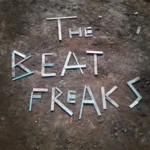
Virtuosic and inventive New York trumpeter Ralph Alessi has worked with everyone from Uri Caine to Michael Formanek as well his own bands. As the century progresses he’s also become involved in international projects like the ones here. Melt all the Guns II is a new chapter in the saga of Brookly/Berlin drummer Devin Gray’s trio with the trumpet and new member, French pianist Myslaure Augustin. Mechanics of Nature on the other hand links Alessi with the Polish-Danish Beat Freaks quartet of guitarist Michał Starkiewicz, bassist Flavio Gullotta, tenor saxophonist Tomasz Licak and drummer Radek Wośko.
Unlike Melt all the Guns, created with familiar associates, Mechanics of Nature is a first-time meeting between the trumpet and the quartet. However there’s no grandstanding or feeling of star soloist with backing band. Starkiewicz, who composed nine of the 14 tracks here, and Licak work together often and comping textures from the bassist and drummer fit in as well.
Ironically it’s the track entitled “Broken” which best show this cooperation. Rubbed and slurred fingering from the guitarist and hard pummeling from the drummer frame the horns ascending and descending pitches. Brass triplets and note-bending reed squeaks develop into a contrapuntal challenge by the end.
With volume often pushing him to the background, Gullotta’s supple string movements move upfront during the introduction to “Lifeline (Interlude)”, where guitar strums and horn ascension are expressed in finished form on the subsequent “Lifeline”. Melded with field recordings of voices and automobile movement, the narrative is hammered out with brass triplets and sax snarls, carefully balancing noise and music. Further interaction from irregular drum patterns and harsh trumpet tonguing serves a similar function on “One Of The Last Derkacz” alongside the sounds of piercing sirens and loudspeaker announcements.
While some tracks reach prestissimo affiliations with buzzing accents from the bass and drums, guitar string whistles and horn vamps, not every exposition is as vigorous. For instance “Elephant Song” is a gentling ballad based around Starkiewicz’s adagio strums, note-bending tones from Alessi, Licak’s graceful harmonies and Gullotta’s responsive string thumps.
In familiar territory or intersecting with new playing partners, Alessi’s brass command shows why he’s one of the busiest trumpeters on the New York scene. His associates on both discs are no slouches as improvisers either.
–Ken Waxman
Personnel: Mechanics: Ralph Alessi (trumpet); Tomasz Licak (tenor saxophone); Michał Starkiewicz (guitar); Flavio Gullotta (bass) and Radek Wośko (drums)
https://www.jazzword.com/reviews/the-beat-freaks-ralph-alessi/
Wirtuozerski i pomysłowy nowojorski trębacz Ralph Alessi współpracował już z każdym – od Uriego Caine’a po Michaela Formaneka – a także prowadził własne zespoły. W miarę upływu nowego stulecia zaczął angażować się również w projekty międzynarodowe, takie jak te omawiane tutaj. Melt all the Guns II to nowy rozdział w sadze tria brooklińsko-berlińskiego perkusisty Devina Graya, nagrany z udziałem trębacza oraz nowej członkini składu, francuskiej pianistki Myslaure Augustin. Z kolei Mechanics of Nature łączy Alessiego z polsko-duńskim kwartetem The Beat Freaks, w skład którego wchodzą gitarzysta Michał Starkiewicz, basista Flavio Gullotta, saksofonista tenorowy Tomasz Licak oraz perkusista Radek Wośko.
W przeciwieństwie do Melt all the Guns, stworzonego w gronie dobrze znanych sobie współpracowników, Mechanics of Nature to pierwsze spotkanie trębacza z tym kwartetem. Nie ma tu jednak mowy o grze pod publiczkę czy poczuciu, że mamy do czynienia z gwiazdą estrady i akompaniującym jej zespołem. Starkiewicz, który skomponował dziewięć z czternastu utworów na płycie, oraz Licak pracują ze sobą regularnie, a uzupełniające tekstury basisty i perkusisty doskonale się w to wpisują.
Paradoksalnie to właśnie utwór zatytułowany „Broken” najlepiej obrazuje tę współpracę. Potarte i ślizgające się palce gitarzysty na gryfie oraz mocne, uderzające wejścia perkusisty stanowią ramę dla wznoszących się i opadających dźwięków sekcji dętej. Triole trąbki i przeciągane, piskliwe dźwięki stroika rozwijają się pod koniec w kontrapunktyczne wyzwanie.
Choć poziom głośności często spycha go na dalszy plan, elastyczne partie strunowe Gullotty wysuwają się na przód podczas wstępu do „Lifeline (Interlude)”, gdzie uderzenia w struny gitary i wznosząca się linia dęciaków zyskują pełną formę w następującym po nim utworze „Lifeline”. Wtopiona w terenowe nagrania głosów i ruchu samochodowego narracja jest wykuwana za pomocą triol trąbki i warknięć saksofonu, starannie balansując między hałasem a muzyką. Kolejne interakcje wynikające z nieregularnych motywów perkusyjnych i szorstkiej artykulacji językowej trąbki spełniają podobną funkcję w „One Of The Last Derkacz”, gdzie pojawiają się obok dźwięków przeraźliwych syren i komunikatów z megafonów.
Podczas gdy niektóre utwory osiągają tempo prestissimo z bzyczącymi akcentami basu i perkusji, świstem strun gitarowych i powtarzalnymi motywami (vamps) instrumentów dętych, nie każda ekspozycja jest tak energiczna. Na przykład „Elephant Song” to łagodna ballada oparta na uderzeniach strun Starkiewicza w tempie adagio, przeciąganych tonach Alessiego, pełnych wdzięku harmoniach Licaka i responsywnych, głębokich szarpnięciach strun Gullotty.
Czy to na dobrze znanym sobie terytorium, czy też na przecięciu dróg z nowymi partnerami scenicznymi, panowanie Alessiego nad instrumentem dętym pokazuje, dlaczego jest on jednym z najbardziej zapracowanych trębaczy na nowojorskiej scenie. Jego współpracownicy na obu tych krążkach również nie ustępują mu kroku jako improwizatorzy.
– Ken Waxman